A healthy mind in a healthy body
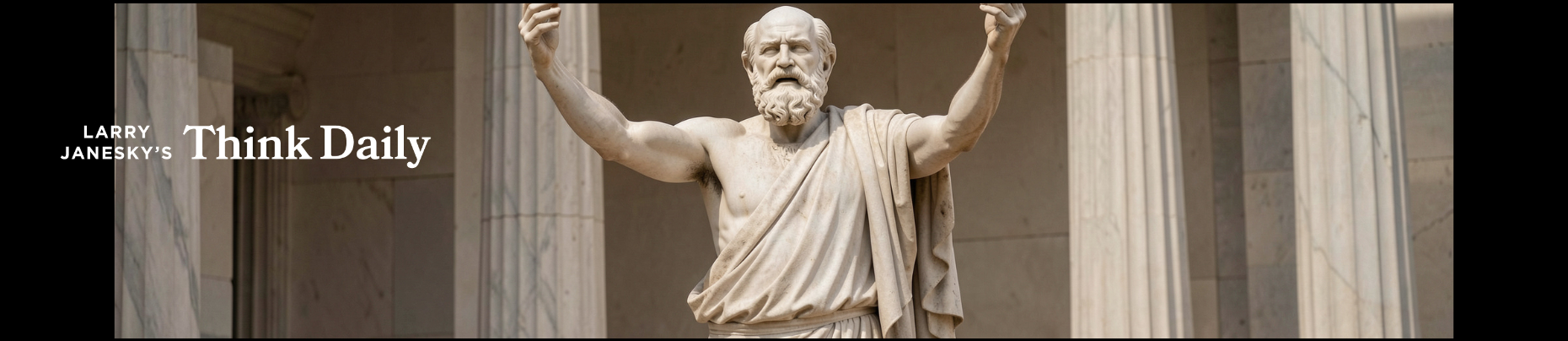
I don’t know about you, but if I am not healthy, or when I have no energy, I am not doing my best mental work. Here is a passage from “Wisdom Takes Work” by Ryan Holiday.
“Today, when we think about Socrates, we think of him as a thinker – a man with a great mind. But his friends admired him for so much more. They admired him for his bravery in battle. They were impressed by his ability to withstand cold and discomfort. It seems almost unbelievable that Socrates – a philosopher – was kind of a macho figure, but he was.
‘No citizen has any right to be an amateur in the matter of physical training,’ Socrates said at one point. ‘What a disgrace it is for a man to grow old without ever seeing the beauty and strength of which his body is capable.’
It’s not just a disgrace; it’s a failure of curiosity. Don’t you want to know what you can do? Wisdom need not condemn a person to a life of scrawny weakness or a nerdy lack of coordination.
A strong mind needs a strong body and vice versa. In fact, the Romans considered a poorly educated person someone who hadn’t learned to read or swim.
You need both the mental and the physical. A person is incomplete and imbalanced if they neglect one in favor of the other.”










Thank you
Love this!
I agree on hundred percent with this and so many of your posts. Thanks so much for your witing! It’s an awesome way to start the day. In one week I’m paddling a SUP the full state of Florida for charity (540 miles). http://www.paddlleforsjogrens.com
Your Seymour, CT location is terribly understaffed! It has taken almost two months to get my dehumidifier repaired!
Thank you for providing all the good advice that have since I started receiving you information in 2010. Continue with your good work. I look forward to reading them each morning.